In today’s fast-evolving educational landscape, becoming a physics teacher is more rewarding than ever. With growing interest in STEM fields and the demand for skilled educators on the rise, there’s never been a better time to launch your teaching career.
Whether you’re passionate about inspiring the next generation of scientists or eager to deepen your own understanding of physics, this step-by-step guide will walk you through everything you need to know.
From the essential qualifications to practical classroom tips, you’ll discover how to turn your love for physics into a fulfilling profession. Let’s dive in and explore the path to becoming a physics teacher that truly makes a difference.
Building a Strong Academic Foundation
Choosing the Right Degree Program
When aiming to become a physics teacher, the first step is selecting a degree program that provides a solid grounding in physics as well as education principles.
Most aspiring teachers pursue a Bachelor of Science in Physics combined with a teacher certification program. This dual approach equips you not only with deep subject knowledge but also with essential pedagogical skills.
Some universities offer integrated programs where you earn both your physics degree and teaching credentials simultaneously, which can save time and streamline your path.
It’s important to check that the program is accredited and aligns with your state’s certification requirements to avoid surprises later on.
Gaining Hands-On Experience Through Labs and Research
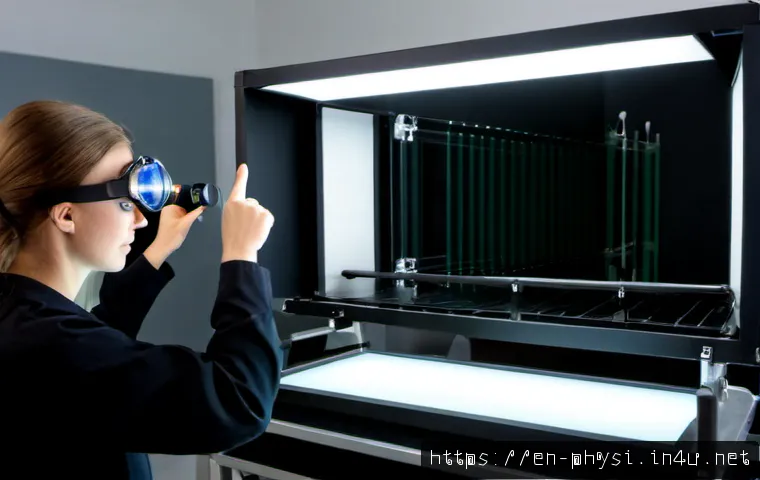
Physics is an experimental science, so immersing yourself in laboratory work and research projects during your studies is invaluable. These experiences enhance your understanding of complex concepts and improve your ability to convey them effectively to students.
Additionally, engaging in research sharpens critical thinking and problem-solving skills, which are crucial for teaching. I found that participating in summer research internships not only boosted my resume but also gave me real-life examples to share in class, making lessons more relatable and engaging.
Understanding State Certification and Licensure
After completing your degree, you’ll need to navigate the certification or licensure process, which varies by state or country. This typically involves passing exams that test both your physics knowledge and teaching skills.
Some places require you to complete a supervised teaching practicum as well. It’s wise to start researching these requirements early on because they can influence your choice of degree program and timing.
Staying organized and proactive during this phase can save you from delays in starting your teaching career.
Mastering Classroom Management and Teaching Techniques
Creating an Engaging Learning Environment
Physics can be intimidating for many students, so creating a welcoming and stimulating classroom atmosphere is key. Using interactive demonstrations, real-world applications, and technology can make abstract concepts more tangible.
I’ve noticed that when students actively participate in experiments or simulations, their curiosity spikes and their understanding deepens. Encouraging questions and fostering a supportive culture where mistakes are seen as learning opportunities also helps students stay motivated and confident.
Effective Communication Strategies for Complex Concepts
One challenge in teaching physics is breaking down complex theories into digestible chunks without oversimplifying. Storytelling, analogies, and visual aids are powerful tools here.
For example, explaining electric circuits by comparing them to water flowing through pipes can make the idea more accessible. I’ve personally found that pacing lessons to allow for frequent checks of understanding prevents students from feeling overwhelmed.
Tailoring your explanations to different learning styles—visual, auditory, or kinesthetic—can also boost comprehension.
Incorporating Technology and Multimedia Resources
Technology has transformed physics education, offering countless digital tools to enhance learning. From simulation software to video tutorials and virtual labs, these resources can supplement traditional teaching methods effectively.
I recommend blending hands-on activities with these digital aids to cater to diverse student preferences. Additionally, using online platforms for homework submission and feedback helps streamline grading and keeps students engaged outside the classroom.
Staying updated on emerging educational technologies can give you a significant edge as a teacher.
Developing Curriculum and Assessment Skills
Designing Lesson Plans That Align with Standards
A well-structured lesson plan acts as a roadmap for both you and your students. It ensures that your teaching stays focused and meets curriculum standards set by educational authorities.
Effective plans include clear learning objectives, engaging activities, and assessment checkpoints. Over time, you’ll learn to balance content coverage with depth, avoiding the trap of rushing through topics.
I’ve found that incorporating flexibility into lesson plans allows me to adapt to students’ pace and interests, which leads to better outcomes.
Creating Fair and Meaningful Assessments
Assessments are more than just tests; they’re tools to gauge understanding and guide future instruction. Designing a variety of assessments—quizzes, lab reports, projects, and presentations—can capture different aspects of student learning.
I like to include formative assessments that provide ongoing feedback, helping students identify areas for improvement before major exams. Rubrics with clear criteria also promote transparency and fairness.
When students know exactly what’s expected, they tend to perform better and feel less anxious.
Utilizing Feedback to Improve Teaching and Learning
Feedback is a two-way street in education. Collecting and reflecting on feedback from students can reveal what’s working and what needs adjustment in your teaching methods.
For example, after a unit on mechanics, I ask students to share which activities helped them most and where they struggled. This input informs my future lesson planning.
Additionally, providing timely, constructive feedback on assignments encourages student growth and reinforces learning. Emphasizing a growth mindset in your classroom helps foster resilience and a love for learning.
Exploring Career Advancement and Professional Development
Continuing Education Opportunities
Physics education is a dynamic field, and staying current with new discoveries and teaching techniques is essential. Pursuing a master’s degree or attending workshops can deepen your expertise and open doors to specialized roles, such as curriculum development or educational research.
I once attended a summer institute on inquiry-based learning, which completely transformed how I approach labs and student engagement. Many school districts also offer professional development programs that count toward salary advancement and certification renewal.
Networking and Joining Professional Organizations
Connecting with fellow physics educators through professional organizations like the American Association of Physics Teachers (AAPT) can provide valuable resources and support.
These groups often host conferences, webinars, and forums where you can share ideas and learn about best practices. Networking also creates opportunities for mentorship and collaboration, which can enrich your teaching and career prospects.
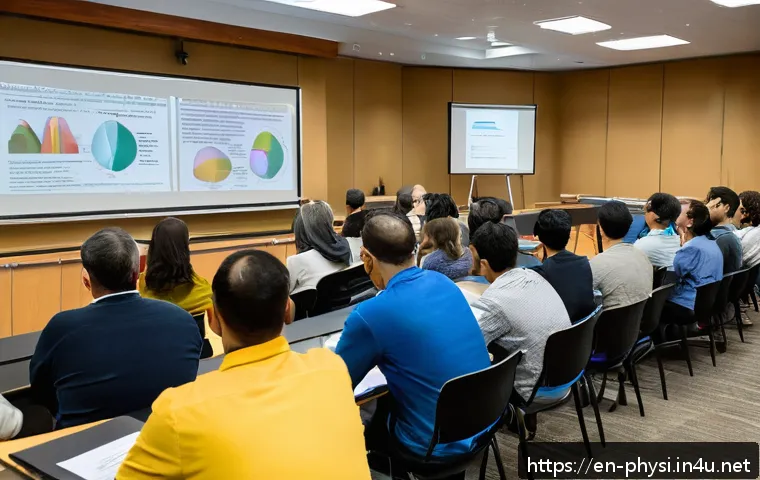
I’ve found that attending local meetups and online communities helped me feel less isolated and more inspired.
Exploring Diverse Teaching Environments
Physics teachers are needed in a variety of settings beyond traditional high schools. Community colleges, private schools, online education platforms, and informal science centers all offer unique opportunities.
Each environment demands different skills and approaches, so exploring these can help you find your niche. For instance, teaching in a community college might involve working with adult learners and focusing on applied physics, while online teaching requires strong digital communication skills.
Flexibility and openness to new experiences can lead to a more fulfilling career.
Balancing Passion and Practicality in Your Teaching Journey
Managing Workload and Avoiding Burnout
Teaching physics can be demanding, with lesson planning, grading, and classroom management all vying for your time. It’s important to develop strategies to manage your workload effectively.
I make it a point to set boundaries, prioritize tasks, and delegate when possible. Building a supportive network of colleagues also helps share resources and reduce stress.
Remember, taking care of your well-being is crucial for sustaining your passion and effectiveness as a teacher.
Inspiring Students Beyond the Classroom
Physics has the power to ignite curiosity and creativity, and as a teacher, you can extend this impact beyond lessons. Organizing science clubs, competitions, or field trips can motivate students to explore physics in new ways.
I recall how leading a robotics club not only deepened my students’ understanding but also built their confidence and teamwork skills. These extracurricular activities often create lasting memories and foster a lifelong interest in science.
Reflecting on Your Teaching Philosophy
Developing a personal teaching philosophy helps clarify your goals, values, and methods as an educator. This reflection evolves over time as you gain experience and insights.
For me, embracing a student-centered approach that emphasizes inquiry and critical thinking has been transformative. Articulating your philosophy also strengthens your professional identity and can be a powerful tool during job interviews or evaluations.
It’s a meaningful way to connect your passion for physics with your commitment to teaching.
Essential Tools and Resources for Physics Educators
Recommended Textbooks and Online Platforms
Choosing the right textbooks and digital resources is key to supporting your curriculum and meeting diverse student needs. Popular textbooks like “Fundamentals of Physics” by Halliday and Resnick are comprehensive and widely respected.
Complementing these with online platforms such as PhET Interactive Simulations or Khan Academy can enhance understanding through interactive content. I often blend textbook reading with these resources to cater to different learning styles and keep lessons fresh.
Utilizing Laboratory Equipment and Safety Protocols
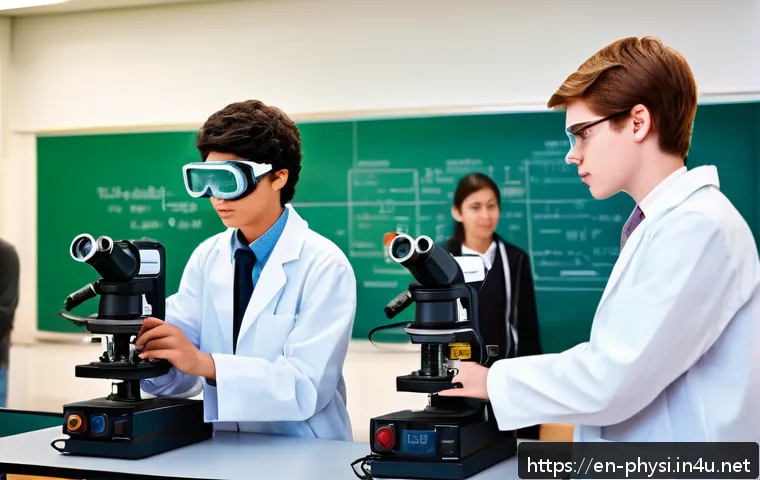
Hands-on experiments are central to physics education, but they require proper equipment and strict safety measures. Familiarize yourself with the tools available in your school lab, from oscilloscopes to optical benches, and ensure all students understand safety rules.
Regular maintenance and clear instructions prevent accidents and foster a responsible lab culture. In my experience, well-executed labs not only reinforce theory but also build students’ confidence in scientific inquiry.
Integrating Collaborative Projects and Group Work
Physics often benefits from collaborative learning, where students tackle complex problems together. Group projects encourage communication, critical thinking, and peer teaching.
I design assignments that require students to share responsibilities and synthesize different viewpoints. These projects can range from designing simple machines to analyzing real-world physics phenomena.
Collaboration also prepares students for future academic and professional environments where teamwork is essential.
| Key Qualification | Typical Duration | Purpose | Additional Notes |
|---|---|---|---|
| Bachelor’s Degree in Physics | 4 years | Provides fundamental physics knowledge and some education courses | Look for programs with teacher certification options |
| Teacher Certification | 6 months to 1 year | Qualifies you to teach in public schools | Includes exams and supervised teaching practicum |
| Master’s Degree (optional) | 1-2 years | Deepens subject expertise and opens advanced career paths | Often pursued part-time while teaching |
| Professional Development Workshops | Varies | Updates teaching skills and curriculum knowledge | May be required for certification renewal |
| Membership in Professional Organizations | Ongoing | Networking, resources, and career growth | Examples: AAPT, NSTA |
In Conclusion
Becoming a successful physics teacher requires a blend of strong academic preparation, practical experience, and continuous professional growth. By choosing the right education path and honing effective teaching strategies, you can inspire and empower your students to appreciate the wonders of physics. Remember, teaching is not just about sharing knowledge but also about nurturing curiosity and critical thinking.
Helpful Tips to Keep in Mind
1. Start early by researching degree programs and certification requirements to streamline your journey into teaching physics.
2. Engage actively in lab work and research projects to deepen your understanding and enrich your classroom examples.
3. Use diverse teaching methods such as storytelling, analogies, and technology to make complex concepts accessible.
4. Incorporate regular assessments and feedback to support student growth and adjust your teaching approach effectively.
5. Join professional organizations and participate in development opportunities to stay updated and expand your network.
Key Takeaways for Aspiring Physics Educators
Building a strong foundation through accredited degree programs combined with teacher certification is essential to start your teaching career confidently. Hands-on experience and continuous learning help maintain your expertise and engagement in the classroom. Effective communication, classroom management, and the integration of technology are critical skills for making physics both understandable and exciting. Lastly, balancing your passion for physics with practical workload management ensures long-term success and fulfillment in your teaching profession.
Frequently Asked Questions (FAQ) 📖
Q: What qualifications do I need to become a physics teacher?
A: To become a physics teacher, you typically need at least a bachelor’s degree in physics or a closely related field, along with a teaching certification or license specific to your region.
Many states or countries require you to complete a teacher preparation program that includes student teaching experience. Some also prefer or require a master’s degree for higher-level teaching positions or career advancement.
Beyond formal education, strong communication skills and a passion for making complex concepts accessible are crucial.
Q: How can I make physics lessons more engaging for high school students?
A: From my experience, the key to engaging students is connecting physics concepts to real-world examples they care about. Hands-on experiments, interactive simulations, and relating topics to everyday technology—like smartphones or sports—help make lessons come alive.
Encouraging questions and fostering a classroom environment where curiosity is rewarded also boosts engagement. Using storytelling to explain the history behind discoveries can make the subject feel less abstract and more relatable.
Q: Is it possible to switch careers and become a physics teacher later in life?
A: Absolutely! Many people transition into teaching physics after working in other fields. Alternative certification programs and evening or online courses make it easier to earn the necessary credentials without starting from scratch.
Your previous work experience, especially in STEM or education-related roles, can add valuable perspective in the classroom. It might take some time to adjust to teaching, but the fulfillment of inspiring students and sharing your passion for physics is well worth it.