In a world racing toward technological breakthroughs, physics and physical simulations stand at the forefront of innovation. From climate modeling to quantum computing, these tools are reshaping how we understand and interact with reality.
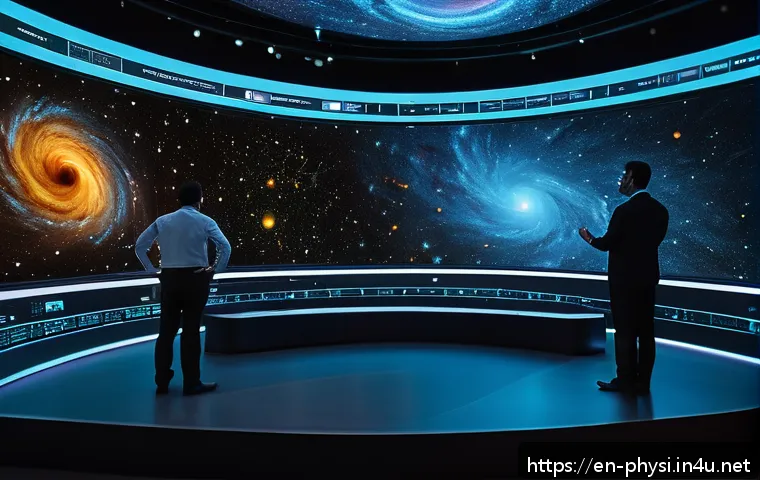
As recent advancements accelerate, diving into the power of physics-driven simulations reveals a future full of possibilities. If you’ve ever wondered how science translates complex theories into practical solutions, this exploration will captivate your curiosity.
Let’s unravel why these game-changing methods are not just shaping research but revolutionizing everyday life. Stay with me to discover how this evolving science impacts us all.
Unlocking Complex Systems Through Simulation
Translating Abstract Theories into Tangible Models
It’s fascinating how physics takes concepts that feel almost intangible—like wave-particle duality or thermodynamic entropy—and turns them into something we can actually model and predict.
When I first started exploring simulations, what struck me was the sheer power of equations brought to life through computation. Suddenly, the abstract became a playground where we could test scenarios repeatedly without the constraints of physical experiments.
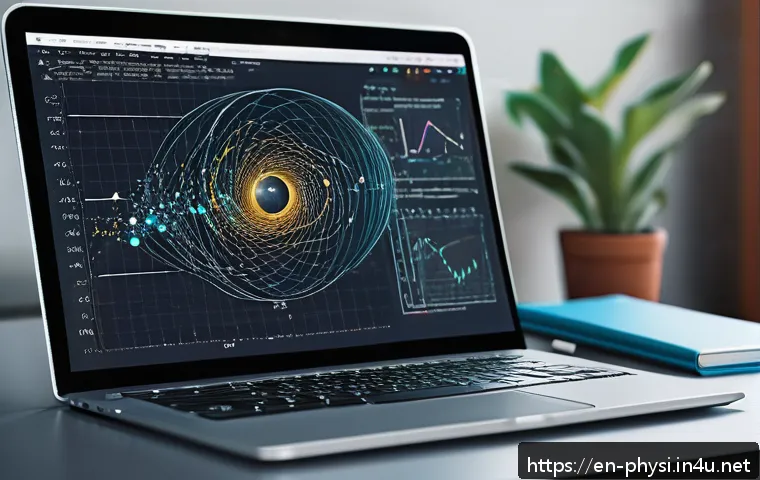
This isn’t just number crunching; it’s about creating virtual environments that mimic the real world with astonishing accuracy. The ability to visualize how particles interact or how fluids flow is a massive leap from chalkboard scribbles to dynamic, interactive systems.
It’s like having a microscope that peers into the fabric of reality itself.
Why Simulations Outpace Traditional Experimentation
Traditional lab experiments are invaluable, but they come with limitations—time, cost, safety, and sometimes sheer impossibility. Simulations sidestep many of these hurdles by offering a controlled, repeatable environment where variables can be adjusted on the fly.
I’ve seen firsthand how this flexibility accelerates discovery; for instance, in aerospace design, tweaking parameters in a simulated airflow test can save months and millions of dollars compared to building multiple physical prototypes.
Plus, simulations can explore extreme conditions—like near absolute zero temperatures or black hole environments—where real-world experimentation is currently impossible.
This broadens the horizon of inquiry in a way that’s both efficient and incredibly insightful.
Bridging the Gap Between Data and Insight
Raw data is overwhelming, but simulations provide a narrative. They translate numbers into visual stories that make complex phenomena understandable. When working on climate models, for example, it’s one thing to see temperature readings; it’s another to watch a simulated storm system evolve, gaining perspective on cause and effect.
This storytelling aspect is crucial, especially for communicating science beyond academia. It’s why interactive simulations are becoming staples in education and public outreach—they turn passive observation into active engagement, making intricate science approachable for everyone.
From Atoms to Galaxies: Scale-Spanning Applications
Microscopic Realms: Quantum and Molecular Dynamics
One of the most thrilling frontiers is how simulations dive into the quantum world. I remember being amazed when I first saw how molecular dynamics simulations could predict protein folding—a problem that has puzzled scientists for decades.
These tiny building blocks of life behave in ways that defy classical intuition, but by simulating their interactions step-by-step, researchers can uncover mechanisms behind diseases or develop new drugs more efficiently.
The precision required here is mind-boggling; even minor inaccuracies can cascade into wrong predictions, so the computational frameworks are incredibly sophisticated and constantly evolving.
Intermediate Scales: Engineering and Materials Science
Moving up in scale, simulations help engineers design everything from bridges to microchips. I’ve personally experienced how finite element analysis (FEA) can predict stress points in structures, allowing for safer and more cost-effective designs.
Materials science also benefits hugely—simulating how metals deform under stress or how polymers respond to heat guides innovation in manufacturing and product development.
This hands-on virtual testing reduces waste and speeds up the iteration process, which is a huge win for industries aiming to be more sustainable and agile.
Cosmic Perspectives: Astrophysics and Space Exploration
On the grandest scale, simulations let us peer into the universe’s past and future. Modeling galaxy formation, star evolution, or black hole behavior requires combining physics, mathematics, and computer science in ways that are nothing short of awe-inspiring.
I’ve followed projects where researchers use supercomputers to simulate cosmic events, revealing insights that direct real telescope observations. These simulations aren’t just academic; they fuel the missions that send probes to distant planets and help us understand potential threats like asteroid impacts.
It’s a vivid reminder of how physics simulation connects our tiny existence to the vast cosmos.
Harnessing Advances in Computational Power
The Rise of High-Performance Computing
The pace at which simulations improve is tightly linked to computing power. When I started, running complex simulations could take days or weeks, limiting what you could realistically explore.
Today, supercomputers with thousands of processors working in parallel crunch through data at mind-blowing speeds. This leap means simulations that once seemed impossible are now routine.
For example, weather forecasting models now incorporate real-time data and run on HPC clusters, providing more accurate predictions that save lives. The continuous evolution of hardware pushes the boundaries of what we can simulate and how fast we can do it.
Machine Learning Meets Physics Simulation
An exciting trend is the fusion of AI with traditional physics models. From my observations, machine learning algorithms can identify patterns in simulation data that humans might miss, or approximate complex interactions to speed up calculations.
This hybrid approach is changing fields like fluid dynamics and materials discovery, where full-scale simulations are computationally expensive. By training AI on smaller simulations, models can predict outcomes without running the entire simulation from scratch.
It’s a game-changer for industries needing rapid prototyping or real-time decision-making.
Cloud Computing Democratizes Access
Another breakthrough is how cloud platforms are making high-powered simulations accessible beyond elite institutions. I’ve seen startups and small research teams leverage cloud infrastructure to run models that previously required supercomputers.
This democratization accelerates innovation globally, allowing a broader community to experiment and contribute. Plus, cloud environments simplify collaboration, with teams across continents able to share simulation results instantly.
This trend is breaking down barriers and fueling a more inclusive future for science and engineering.
Simulations Driving Innovation Across Industries
Healthcare and Biomedical Engineering
In healthcare, simulations have become indispensable. From designing prosthetics that fit perfectly to simulating blood flow for surgical planning, the impact is profound.
I recall a project where simulating cardiac electrophysiology helped doctors tailor treatments for arrhythmia patients, reducing complications. These models enable personalized medicine by predicting how individual bodies might react to interventions, which is transforming patient care.
The combination of physics-based models with medical imaging is opening new frontiers in diagnosis and therapy.
Renewable Energy and Environmental Sustainability
The quest for cleaner energy sources is another area where simulations shine. Wind turbines, solar panels, and battery technologies all benefit from physics-driven modeling.
I’ve seen how simulating airflow patterns around turbines optimizes placement and efficiency, directly boosting energy output. Environmental models also help policymakers understand the impacts of deforestation, pollution, or climate change scenarios.
This predictive power is crucial for crafting strategies that balance development with sustainability, and it’s why governments and companies invest heavily in these tools.
Entertainment and Virtual Reality
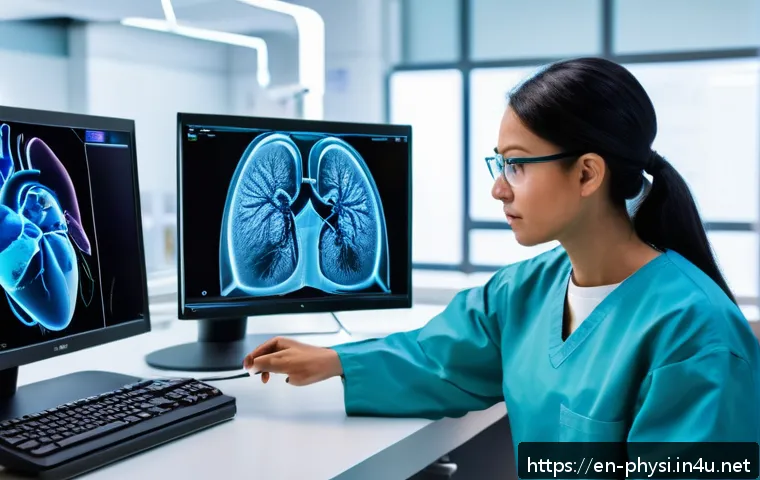
Beyond heavy industries, physics simulations enrich entertainment, gaming, and virtual reality. The realism of fluid dynamics, ragdoll physics, and material deformation in games owes a lot to advances in simulation technology.
I’ve spent hours immersed in VR experiences where every interaction feels natural because the underlying physics responds accurately. This not only enhances user experience but also opens avenues for training simulations in education, military, and manufacturing, where realistic practice environments save costs and improve outcomes.
Key Technologies Powering Today’s Simulations
Numerical Methods and Algorithms
The backbone of any simulation lies in the numerical methods employed. Techniques like finite difference, finite element, and Monte Carlo simulations each have strengths suited to different problems.
I’ve worked on projects where choosing the right algorithm was crucial; an inappropriate method could lead to wildly inaccurate results or excessive computation times.
Over time, these algorithms have become more sophisticated, integrating adaptive meshes or error correction to improve precision without sacrificing speed.
Visualization Tools and Interfaces
Simulations generate vast amounts of data, and visualization tools turn this into digestible insights. From 3D renderings to interactive dashboards, these interfaces are vital for interpreting results and making decisions.
I’ve noticed how powerful visualizations can bridge the gap between technical experts and stakeholders who may not have a deep physics background. This makes simulations not only a research tool but also a communication asset that drives consensus and action.
Integration with Experimental Data
Finally, the best simulations don’t work in isolation—they integrate experimental data to validate and refine models. This iterative loop between theory, simulation, and experiment enhances accuracy and builds trust.
In my experience, simulations calibrated with real-world measurements are far more reliable and insightful. This synergy is especially important in fields like material science and climate modeling, where experimental constraints are significant.
| Aspect | Benefit | Example |
|---|---|---|
| High-Performance Computing | Faster, larger-scale simulations | Real-time weather prediction |
| Machine Learning Integration | Accelerated approximations and pattern recognition | Fluid dynamics in aerospace design |
| Cloud Computing | Accessible and collaborative simulation environments | Startups running complex biomedical models |
| Advanced Numerical Methods | Improved accuracy and efficiency | Finite element analysis for bridge safety |
| Visualization Tools | Enhanced data interpretation and communication | 3D interactive climate models |
Challenges and the Road Ahead
Balancing Accuracy and Computational Cost
One ongoing struggle is finding the sweet spot between simulation detail and the resources required. Overly simplified models risk missing critical behaviors, while ultra-detailed simulations can be prohibitively expensive or slow.
From my experience, this balancing act often involves iterative refinement and domain expertise to decide which factors truly matter. It’s a nuanced process that requires both technical skill and scientific intuition.
Addressing Uncertainty and Validation
No simulation is perfect, and quantifying uncertainty remains a significant challenge. Ensuring models reflect reality accurately involves continuous validation against experiments and observations.
I’ve learned that transparency in assumptions and limitations is crucial to maintain credibility, especially when simulations inform high-stakes decisions like disaster response or medical treatment.
Expanding Accessibility and Education
Lastly, there’s a growing need to make simulation tools more user-friendly and accessible to non-specialists. While powerful, many platforms require extensive training, limiting their reach.
Initiatives to simplify interfaces and integrate simulations into educational curricula are promising. From what I’ve seen, empowering a broader audience to engage with physics-driven simulations fuels creativity and innovation across disciplines.
The Human Element in a Digital Era
Collaborative Innovation
Despite advances in automation and AI, human insight remains irreplaceable. The best simulations result from collaboration between physicists, computer scientists, and domain experts.
I’ve been part of teams where diverse perspectives sparked breakthroughs that no single discipline could achieve alone. This collaborative spirit is a reminder that technology amplifies, rather than replaces, human creativity.
Ethical Considerations and Responsibility
With great power comes responsibility. As simulations influence critical decisions—from climate policy to healthcare—ethical considerations must guide their use.
Transparency, data privacy, and avoiding misuse are ongoing concerns. Reflecting on this, I believe the community must foster ethical standards alongside technical progress to ensure simulations benefit society fairly and safely.
Inspiring Future Generations
Finally, simulations have the power to inspire. Watching a complex phenomenon unfold on screen can ignite curiosity and passion for science. I’ve witnessed students transform from hesitant learners to excited explorers once they interact with simulations that make abstract physics tangible.
This human connection to technology is perhaps the most rewarding aspect of this evolving field.
Conclusion
Simulation technology continues to transform how we understand and interact with complex systems, bridging theory and reality in unprecedented ways. Its applications span from the tiniest quantum particles to the vastness of the cosmos, driving innovation across numerous industries. As computational power and AI integration advance, simulations become more accessible and impactful, empowering both experts and the public alike. Embracing this evolving landscape offers exciting opportunities to deepen knowledge and solve real-world challenges.
Helpful Information to Keep in Mind
1. Simulations provide a safe and cost-effective way to test scenarios that are impractical or impossible in the real world.
2. High-performance computing and cloud resources have democratized access, enabling more people and organizations to harness simulation power.
3. Machine learning enhances simulations by accelerating calculations and uncovering hidden patterns in data.
4. Visualization tools play a crucial role in interpreting complex data, making results understandable for diverse audiences.
5. Ongoing validation with experimental data ensures simulations remain accurate and trustworthy for critical decision-making.
Key Takeaways
Balancing detail and computational efficiency is essential for effective simulations, requiring expert judgment and iterative refinement. Transparency about assumptions and limitations builds trust in simulation results, especially when influencing important policies or medical treatments. Increasing accessibility through user-friendly interfaces and educational integration encourages broader participation and innovation. Ultimately, human creativity and ethical responsibility remain central to advancing simulation technologies that benefit society as a whole.
Frequently Asked Questions (FAQ) 📖
Q: How do physics-driven simulations improve our understanding of complex systems like climate or quantum phenomena?
A: Physics-driven simulations allow us to model and analyze systems that are otherwise impossible to experiment with directly. For example, climate models use physics to simulate atmospheric and oceanic interactions, helping predict weather patterns and long-term climate changes.
In quantum computing, simulations help researchers visualize and test quantum behaviors without needing fully developed hardware. From my experience, these simulations bridge the gap between theory and real-world application, making complex concepts tangible and actionable.
Q: What industries benefit the most from advancements in physical simulations?
A: Numerous industries reap significant benefits, including aerospace, automotive, healthcare, and energy. Aerospace companies use simulations to test aircraft designs under various conditions, drastically reducing the need for costly physical prototypes.
In healthcare, simulations help in drug discovery and understanding biological processes at molecular levels. Energy sectors rely on physics simulations to optimize renewable energy systems like wind turbines and solar panels.
Personally, I’ve noticed that these simulations not only speed up innovation but also lower development costs and improve safety standards across these fields.
Q: Are physics-driven simulations accessible to everyday users, or are they limited to researchers and specialists?
A: While high-end simulations often require specialized knowledge and computing power, the rise of user-friendly software and cloud-based platforms is making these tools more accessible to a broader audience.
For instance, educators and hobbyists can now explore physics concepts through interactive simulations available online. In my experience, this democratization helps foster curiosity and learning, enabling people outside traditional research roles to engage with cutting-edge science in meaningful ways.